The Best Time for Lombok Scuba Diving: An April to October Dry Season Guide
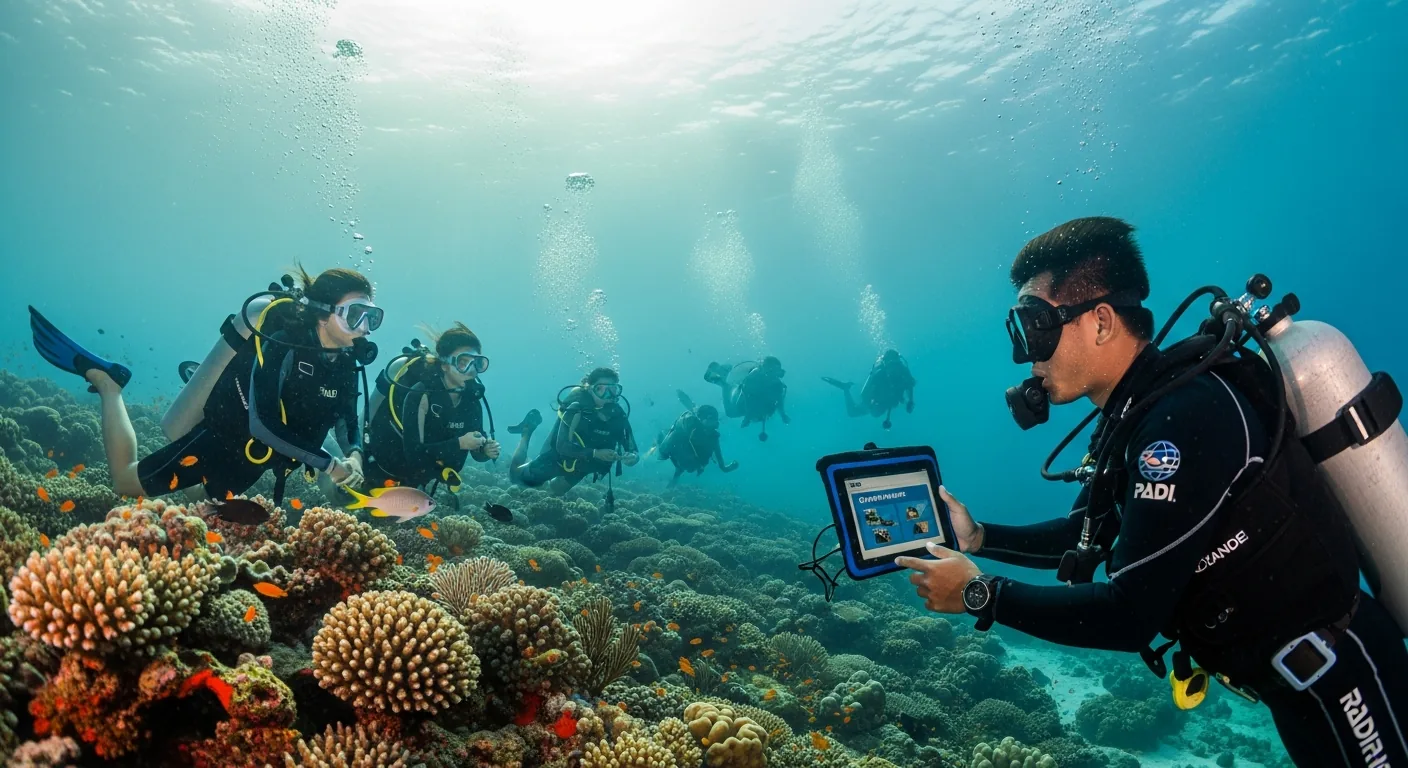
The descent begins. The surface world, with its humid air and the distant call of the Gili Trawangan shoreline, dissolves into a silent, cerulean expanse. Your focus narrows to the rhythm of your own breathing and the vast liquid space ahead. For divers, timing is not merely a matter of convenience; it is the critical factor that dictates visibility, marine encounters, and the very quality of the underwater experience. The question for anyone planning to explore the reefs of West Nusa Tenggara is not just where to dive, but precisely when. See also: book Padi Certifications Lombok.
While the Lombok Strait offers year-round diving opportunities, the period between April and October presents a distinct and superior window. This is the dry season, a time when the meteorological and oceanographic conditions align to create a diver’s paradigm. The following guide provides a detailed analysis of this prime season, ensuring your time spent with a professional Lombok dive center translates into exceptional underwater encounters, from the turtle-rich slopes of Gili Air to the challenging currents of South Lombok. See also: Lombok Scuba Diving Home.
Why the Dry Season? A Climatological and Marine Perspective
The transition from the monsoon season (typically November through March) to the dry season brings a fundamental shift to the marine environment around Lombok and the Gili Islands. The cessation of heavy rains significantly reduces terrestrial runoff, which is the primary cause of diminished visibility. From late April onwards, the waters clarify, frequently offering visibility that extends beyond 25 meters, and on exceptional days, can reach up to 40 meters. This clarity transforms dive sites, revealing the full spectrum of color on the coral gardens and allowing for better observation of marine life from a distance. See also: Lombok Scuba Diving About.
“It’s a predictable and welcome change,” notes Dirk van der Meer, our PADI Course Director at Lombok Scuba Diving with over 15 years of experience in these waters. “The seas flatten out, especially in the mornings, making the 20-minute boat crossing from our Senggigi base to the Gili Islands consistently comfortable. Water temperatures remain stable, averaging a pleasant 27-29°C (80-84°F). These calm, clear conditions are not only ideal for certified divers but also create a safe and encouraging environment for those undertaking their PADI Open Water Diver course.” This period of climatic stability minimizes the chance of cancelled trips and maximizes in-water time, a crucial consideration for any serious diver planning a trip for gili scuba diving. See also: book Contact.
A Month-by-Month Guide to Peak Diving Conditions
While the entire April-October period is favorable, specific months offer unique advantages. Selecting the right month depends on your priorities, whether they be avoiding crowds, seeking specific megafauna, or simply enjoying the most consistent conditions for a PADI certification.
April – May: The Quiet Shoulder Season
As the last of the rains subside, these months represent a sweet spot. The landscape is lush and green, the tourist numbers have yet to reach their July peak, and the water is exceptionally clear. This is an excellent time for underwater photographers and those interested in macro life. The cleaning stations are bustling, and sites like Hans Reef off Gili Air are teeming with ghost pipefish, frogfish, and a variety of nudibranchs. The water is often at its warmest, hitting 29°C, making for long, comfortable dives.
June – August: Peak Season Prime Time
This is the heart of the dry season, characterized by blue skies and consistently calm seas. It is the most popular time to visit, and for good reason. Conditions are optimal for all levels of diving, from introductory dives to technical explorations. For anyone planning on gili trawangan diving, this is when sites like Shark Point live up to their name, with frequent sightings of whitetip and blacktip reef sharks patrolling the deeper slopes. The turtle population across all three Gili Islands is particularly active, and it’s not uncommon to encounter more than a dozen Green and Hawksbill turtles on a single dive at sites like Turtle Heaven. This is the most reliable period for completing a lombok padi course without weather interruptions.
September – October: The Pelagic Window
As the season begins to wind down, a fascinating shift occurs. A slight drop in water temperature, sometimes to 26°C, can be triggered by upwellings from the deeper parts of the Lombok Strait. This cooler, nutrient-rich water attracts larger marine life. While the Gili Islands continue to offer superb diving, this is the prime window for advanced divers to explore South Lombok. Sites in Belongas Bay, such as “The Magnet,” become hotspots for schooling mobula rays and, for the fortunate, the occasional scalloped hammerhead shark. This is also a good time to spot manta rays at cleaning stations in the southern region, an experience that requires a specialized trip from a dedicated lombok dive center.
The Gili Islands Dive Compendium: Trawangan, Meno, and Air
The three Gili Islands, each with a distinct character, form the epicenter of the region’s diving activity. A short boat ride from the Lombok mainland, they offer a dense concentration of over 25 dive sites. Lombok Scuba Diving provides daily trips to all three islands, allowing divers to choose an experience that matches their preference, both above and below the water.
| Island | Atmosphere | Key Dive Sites | Best For |
|---|---|---|---|
| Gili Trawangan | Vibrant, social, developed | Shark Point, Deep Turbo, Halik | Reef sharks, drift dives, advanced PADI courses |
| Gili Meno | Tranquil, romantic, quiet | Meno Wall, Bounty Wreck, Turtle Heaven | Macro life, turtles, wreck diving beginners |
| Gili Air | Balanced, relaxed, bohemian | Air Wall, Hans Reef, Frogfish Point | PADI Open Water courses, underwater photography |
Gili Trawangan diving is often characterized by gentle to moderate currents, making for exhilarating drift dives along its western shores. Deep Turbo, a submerged pinnacle starting at 22 meters, features impressive sea fans and attracts schools of jackfish. Gili Meno offers the 30-meter long Bounty Wreck, a sunken platform that is now a thriving artificial reef accessible to Open Water divers. Meno Wall provides a vertical canvas for spotting moray eels and scorpionfish. Gili Air is arguably the best for learning, with calm, sandy-bottom sites perfect for PADI training, alongside rich coral walls for certified divers.
Beyond the Gilis: Exploring Senggigi and South Lombok’s Dive Sites
While the Gilis are the main attraction, the coastline of mainland Lombok holds its own unique appeal, offering a different type of gili scuba diving experience. Our base in Senggigi provides direct access to these less-visited, yet rewarding, locations.
The Senggigi Coastline
The bays directly in front of Senggigi are known for their black volcanic sand, creating a perfect environment for “muck diving.” Here, the focus shifts from wide coral vistas to the strange and wonderful critters that inhabit the seabed. Divers can search for ornate ghost pipefish, seahorses, and a variety of crustaceans. These sites are shallow, typically between 5 and 18 meters, allowing for extended bottom times. It’s a rewarding challenge for photographers and divers with a keen eye for detail.
South Lombok: Sekotong and Belongas Bay
For the experienced diver seeking a true adventure, the remote southern coastline is the destination. This area is exposed to the Indian Ocean and is known for its challenging conditions, including strong and unpredictable currents. It is strictly for advanced divers with a significant number of logged dives.
- Belongas Bay: Home to the famed dive site, “The Magnet.” This offshore pinnacle is a magnet for large pelagics. From late August to October, it offers the best chance in the region to see schooling scalloped hammerheads and mobula rays. Dives here must be timed carefully with tides and conditions.
- Sekotong: West of Belongas Bay, the waters around Gili Gede and the “Secret Gilis” are more protected. The diving here is characterized by pristine soft coral gardens and a high diversity of reef fish. It offers a glimpse into what the more popular areas were like decades ago.
Trips to South Lombok are specialized, full-day excursions arranged by Lombok Scuba Diving and require a minimum certification of PADI Advanced Open Water with proof of recent deep dives and experience in strong currents.
Your PADI Certification Journey with Lombok Scuba Diving
The calm, warm, and clear waters of the dry season create the perfect classroom for learning to dive or advancing your skills. As a fully accredited PADI 5 Star Dive Center, we offer a complete range of courses, all conducted in small groups to ensure personalized attention and safety. Our instructor-to-student ratio never exceeds 1-to-4. Whether you are taking your first breath underwater or mastering a technical skill, our professional team is here to guide you.
Our most popular lombok padi certification programs include:
- PADI Discover Scuba Diving: A one-day introduction to diving under direct PADI professional supervision. Includes a skill session and one open water dive. (Approx. $95 USD)
- PADI Open Water Diver: The world’s most popular scuba course. A 3-4 day program resulting in a lifetime certification to dive to 18 meters. (From $420 USD)
- PADI Advanced Open Water Diver: A 2-day course consisting of five adventure dives, including a deep dive and an underwater navigation dive. (From $380 USD)
- Specialty Courses: We offer a wide range of specialties such as PADI Wreck Diver, Deep Diver, Enriched Air (Nitrox), and Digital Underwater Photographer to refine your skills.
All course prices are comprehensive, including PADI e-learning materials, full equipment rental, certification fees, and boat transport to the Gili Islands dive sites. There are no hidden costs. Our commitment is to provide the highest standard of PADI diver education in the region.
Planning Your Dive Trip: Logistics and Pricing
Arranging your Lombok scuba diving trip during the peak season is straightforward. Lombok International Airport (LOP) is well-connected with direct flights from major hubs like Singapore (SIN) and Kuala Lumpur (KUL), as well as multiple daily flights from Bali (DPS). From Bali, numerous fast boat services also operate daily, arriving at Bangsal harbor on Lombok or directly at the Gili Islands.
Our primary dive center is located in Senggigi, providing a convenient base with a range of accommodations, from luxury resorts to boutique hotels. We provide complimentary transport for our guests from hotels in the Senggigi area. For those staying on the Gili Islands, we can arrange to meet you at a pre-arranged point on your island of choice.
To provide clarity on investment, here is a sample of our pricing for certified divers and day trips:
| Dive Package / Trip | Includes | Approximate Price (USD) |
|---|---|---|
| 2 Fun Dives in the Gili Islands | PADI Divemaster, full Scubapro equipment, boat transport, tanks/weights, water & snacks. | $90 |
| 6 Dive Package (3 Days) | All of the above, with a discounted rate for multiple days of diving. | $255 |
| PADI ReActivate™ Scuba Refresher | Knowledge and skills review with a PADI Pro, plus one open water dive. | $85 |
The optimal conditions for exploring Lombok’s underwater world are present from April through October. The clear, calm waters and abundant marine life await. To secure your place during this popular season, we recommend booking in advance.